Practical, no-hype guides for San Luis Obispo homeowners — what the research actually says, how to read the signs, and what things should cost. New guides added regularly.
Every guide here is written the way we work a house: inspection first, evidence before hype, and honest numbers. No scare tactics, no magic devices — just what the research says and what holds up in SLO attics, crawl spaces, and rooflines.
Short answer: no — not reliably, and not for long. UC IPM's verdict on ultrasonic and high-frequency repellents is blunt: rats acclimate to the sound, and there is little evidence that sound, magnetic, or vibrational devices of any kind will drive established house mice or rats from buildings.
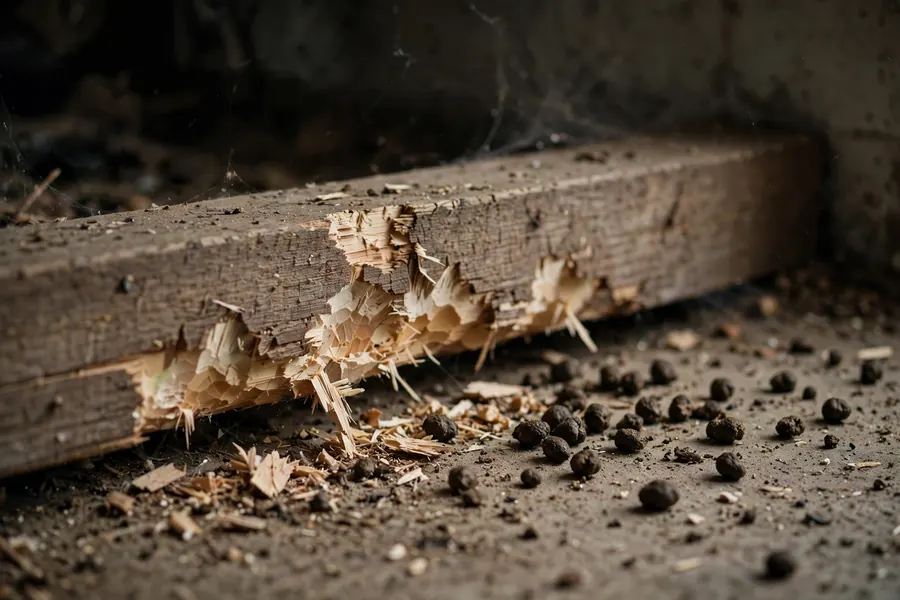
Rat nest vs mouse nest identification decides everything about your next step — trap size, trap placement, and which entries to seal. The good news: you don't need to see the animal.
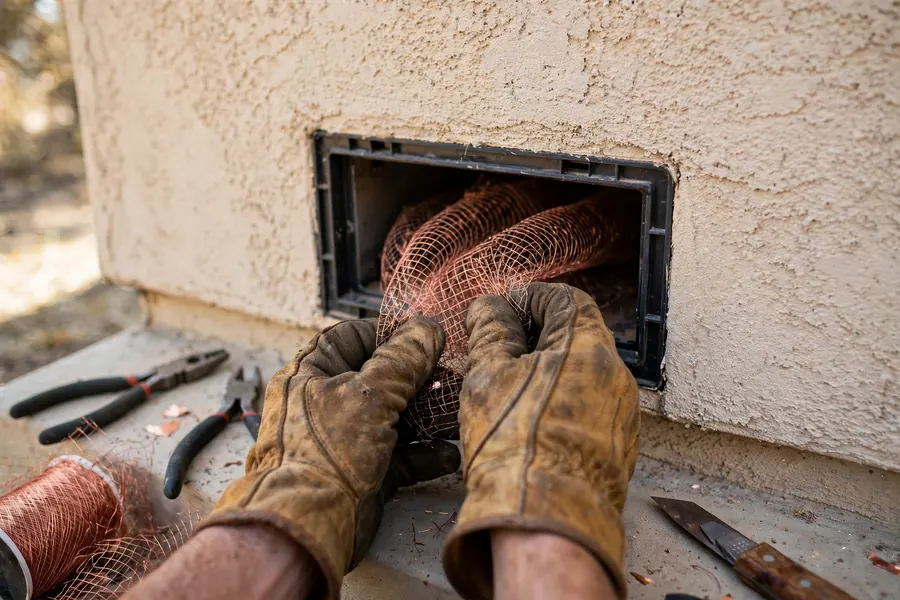
The honest answer: it depends — but “it depends” should come with ranges and reasons, not a shrug. Rodent exclusion (sealing every entry so they can't get back in) is skilled structural work, and its cost tracks five factors you can actually evaluate.
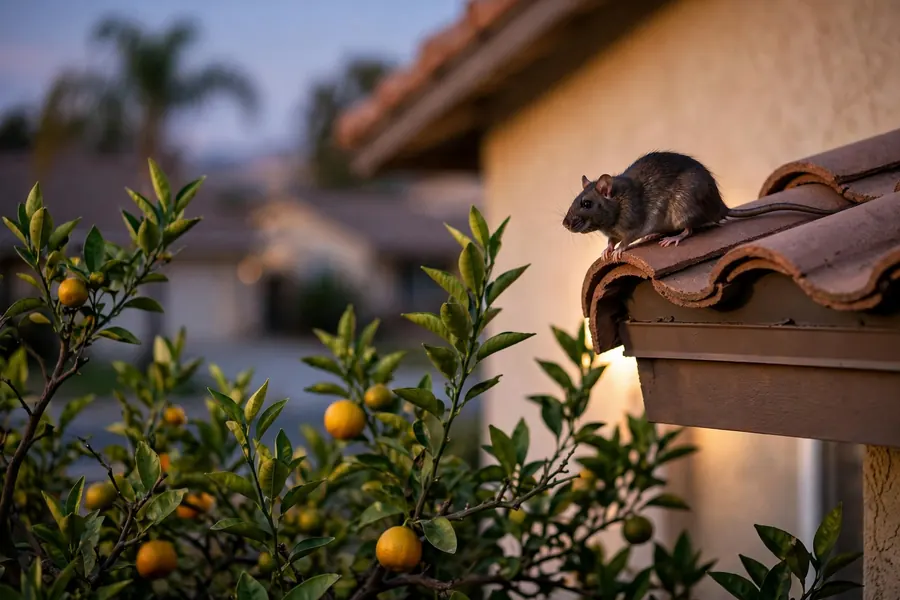
Short answer: the citrus, the compost, and the chicken feed. Rats in SLO gardens follow food — and once a roof rat is eating in your yard every night, your attic is the next stop. Here is what draws them in, how they travel from the garden to the roof, and what to shut down first.
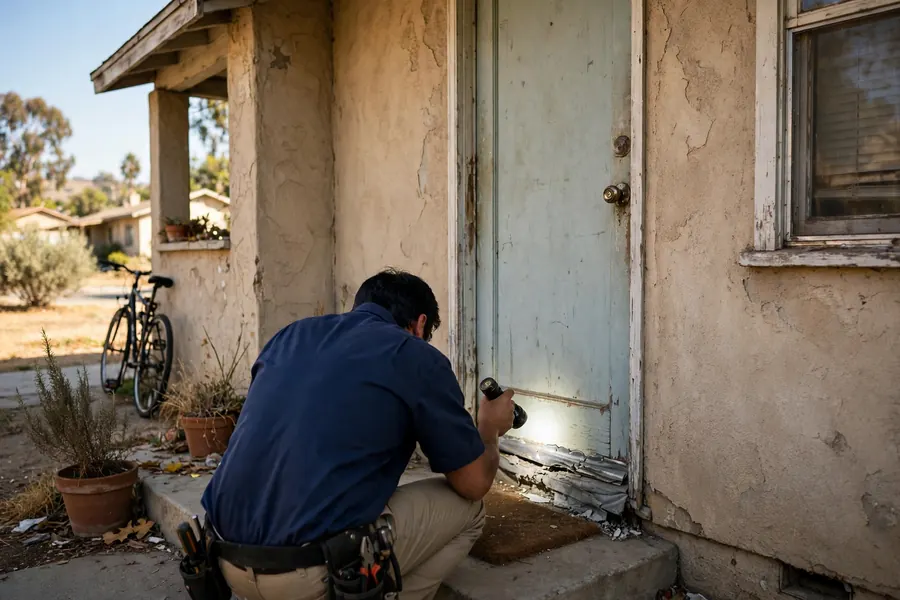
Short answer: usually the landlord. Rodent control in SLO rentals falls on the property owner under California’s habitability law — unless the tenant caused the problem. Here is what the law actually says, what each side has to do, and what to do when the landlord stalls.
Short answer: wiring, insulation, and pipes — in that order of danger. Rodent damage in SLO homes hides in attics and wall voids, and the bill usually shows up months after the gnawing starts. Here is what rats actually destroy, what it costs to fix, and why insurance usually will not pay.